
07 / 10 · Stops potholes before they start
Crack Filling.
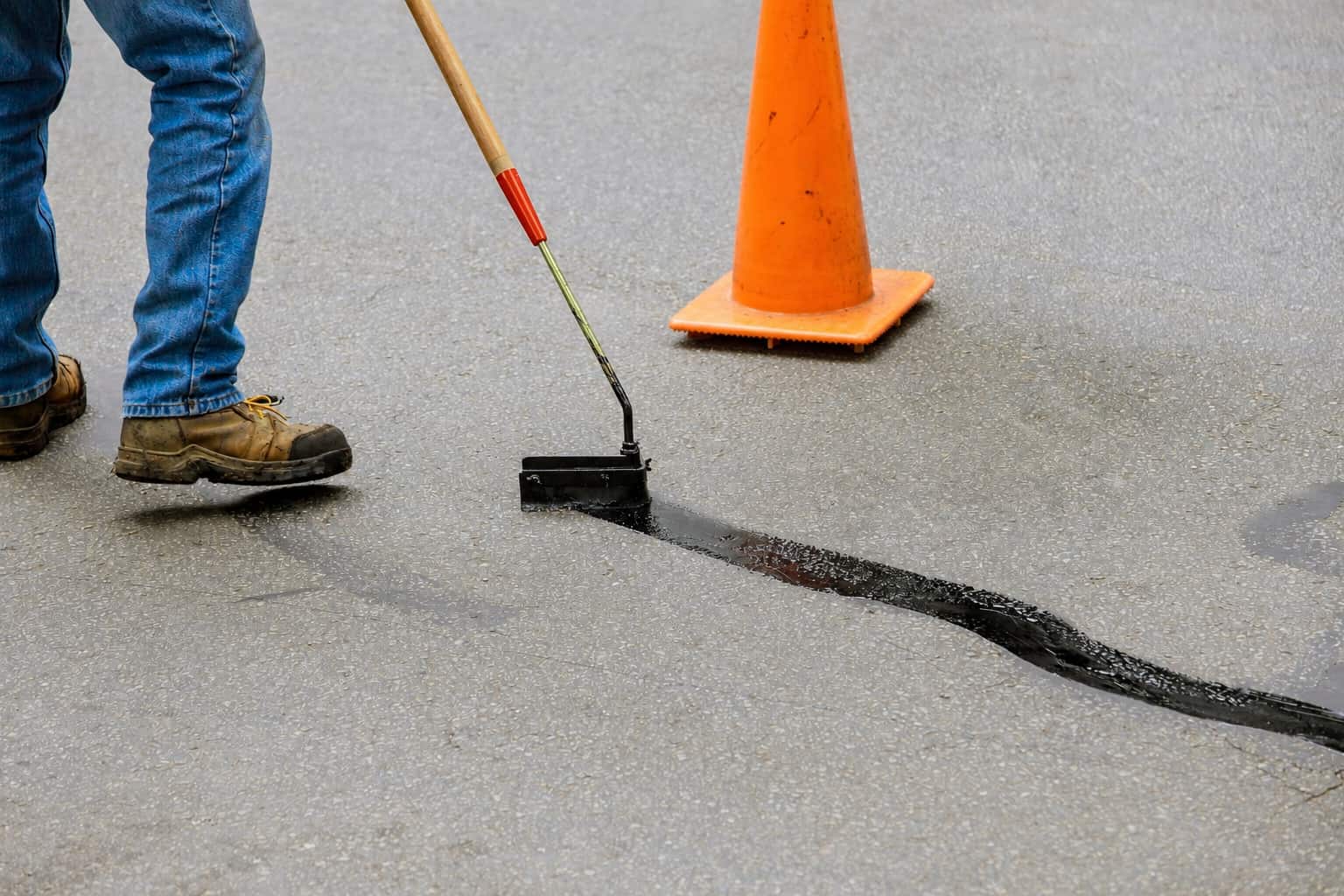
Cracks in asphalt are how the trouble starts. Water gets in. It freezes. It expands. The crack gets bigger. By next year you have a pothole. By the year after, you're looking at a tear-out. Hot-rubber crack filling stops the cycle for a tiny fraction of what real repairs cost.
How it works
We clean out the crack first, then fill it with heated rubber sealant. As the rubber cools, it bonds to both sides of the crack and stays flexible enough to move with the seasons. Water can't get in. The crack stops growing. Your asphalt keeps doing its job.
Best time of year
Spring after the thaw shows you what winter did. Fall before the next winter locks the damage in. Saskatchewan crack-filling season runs from about May through October when surface temperatures are right for the sealant to bond properly.
What this saves you
A four-hundred-dollar crack-fill in October keeps a forty-thousand-dollar parking lot out of the wrecking yard. Every year you put it off, the cracks widen and branch. Eventually they get too big for sealant and you need patching. Then replacement. Don't wait.
What we handle under this service
- Single straight cracks across your surface
- Cracks where two pavement sections meet
- Spider and alligator cracking, while still fillable
- Driveways, parking lots, roads, and yards
- Hot-pour rubber sealant
- Cleaned, filled, and sealed in one visit
More from the crew.
Most projects need more than one service. Sealcoat plus crack-fill. A new driveway plus a small repair. Here's the rest of what we do.
Asphalt Paving
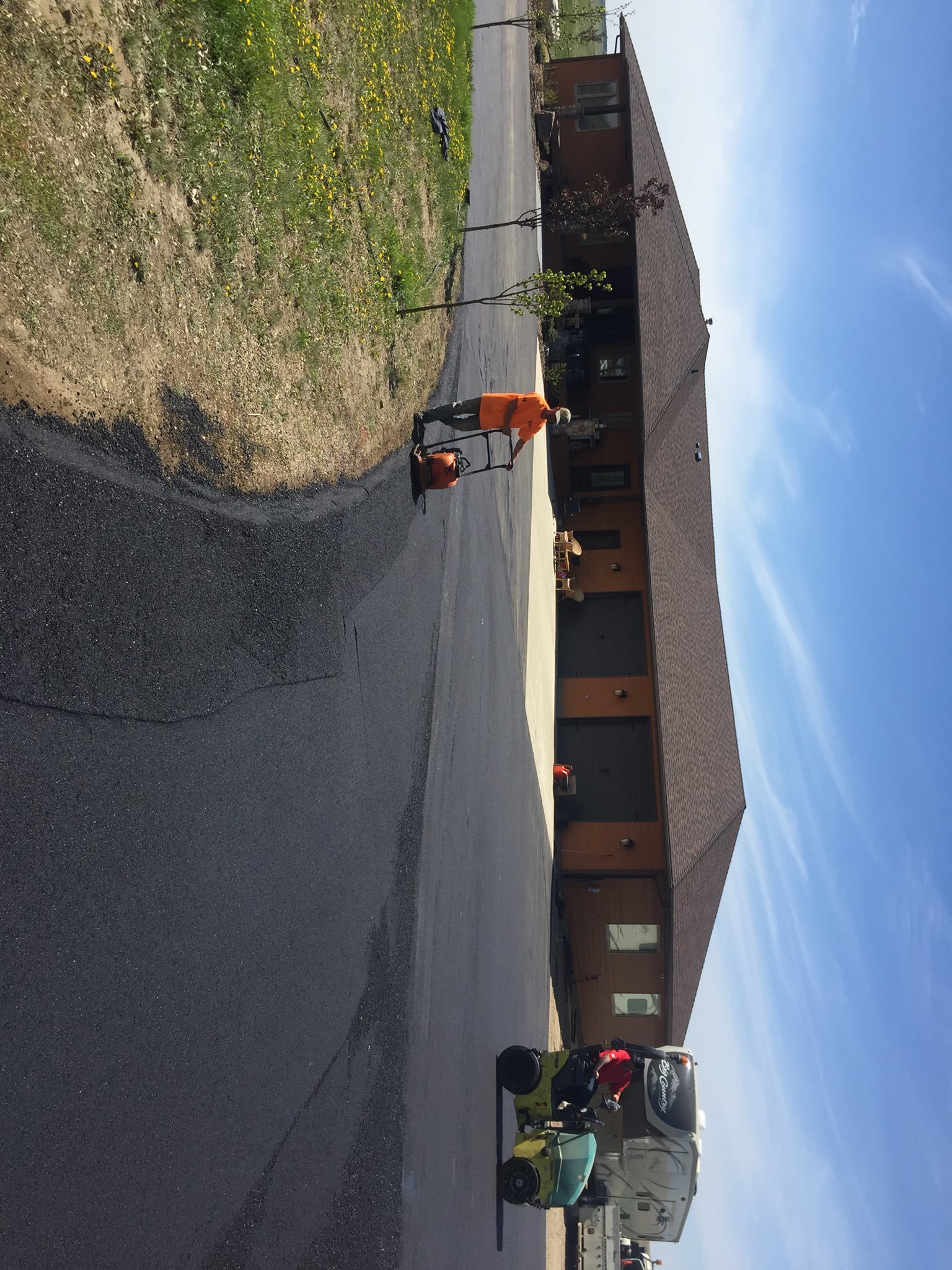
Smooth, long-lasting asphalt for driveways, parking lots, and roads. Built for Saskatchewan winters.
Read more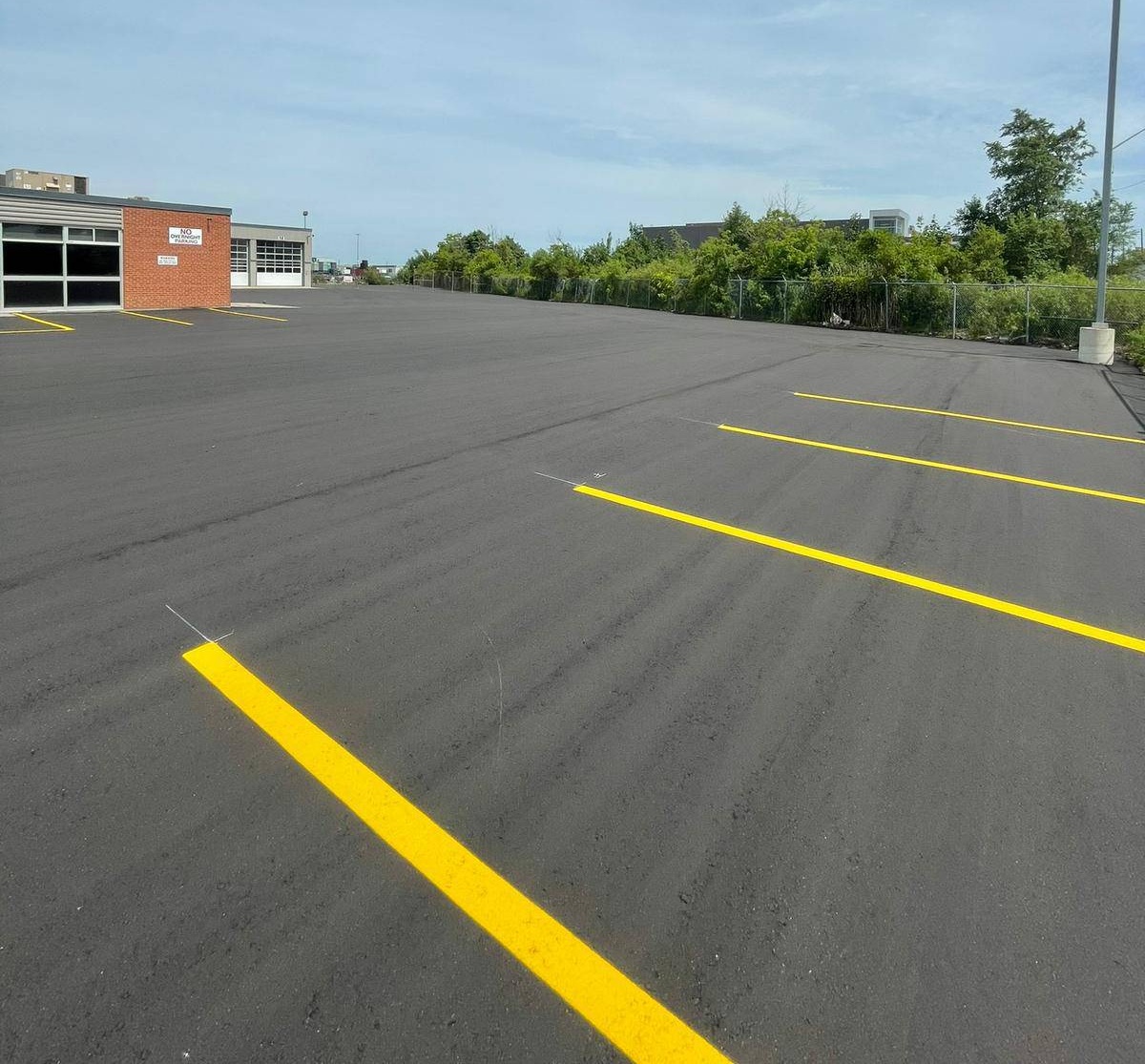
Parking Lot Paving
New construction, overlays, and full replacements for commercial parking lots. Scheduled around your hours.
Read more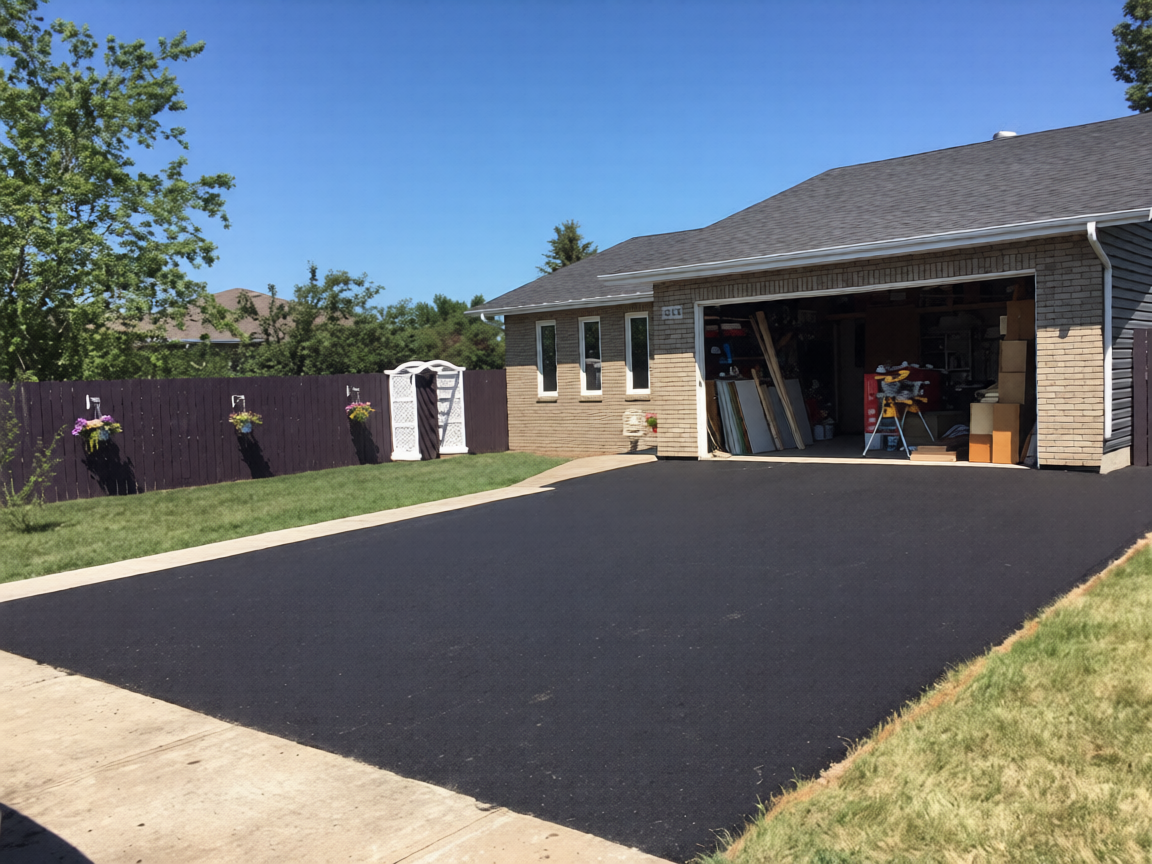
Driveway Paving
Town drives, country approaches, RV pads. Graded for drainage and finished clean.
Read more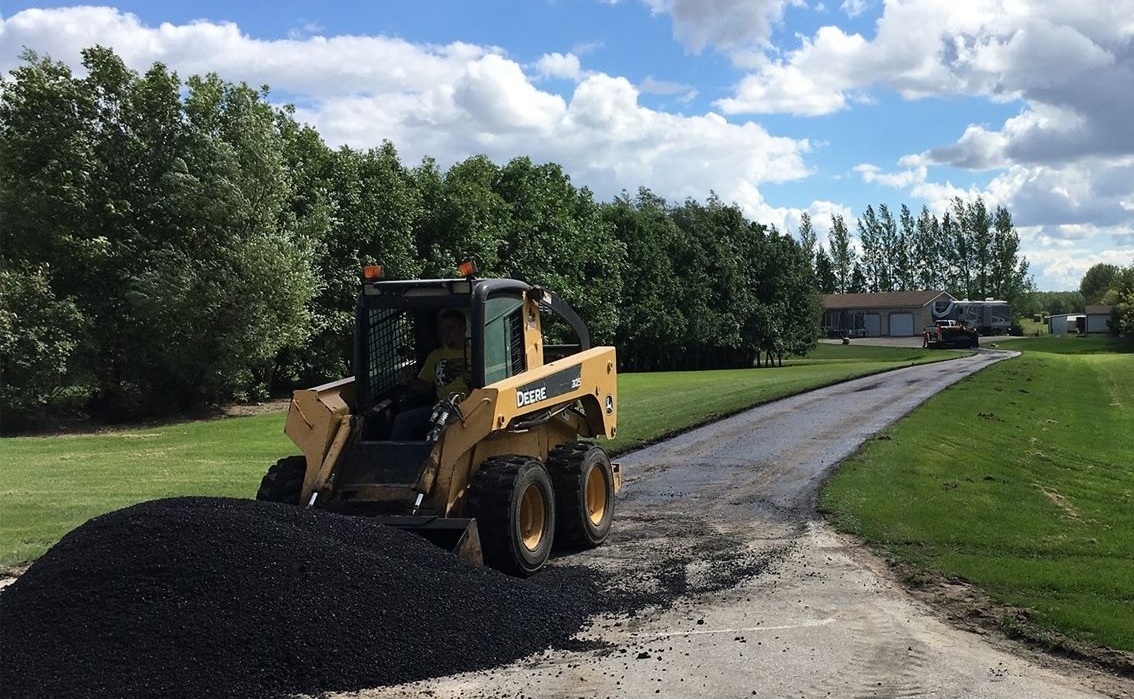
Road Construction
New roads, overlays, and patching contracts for towns, rural municipalities, and the province.
Read more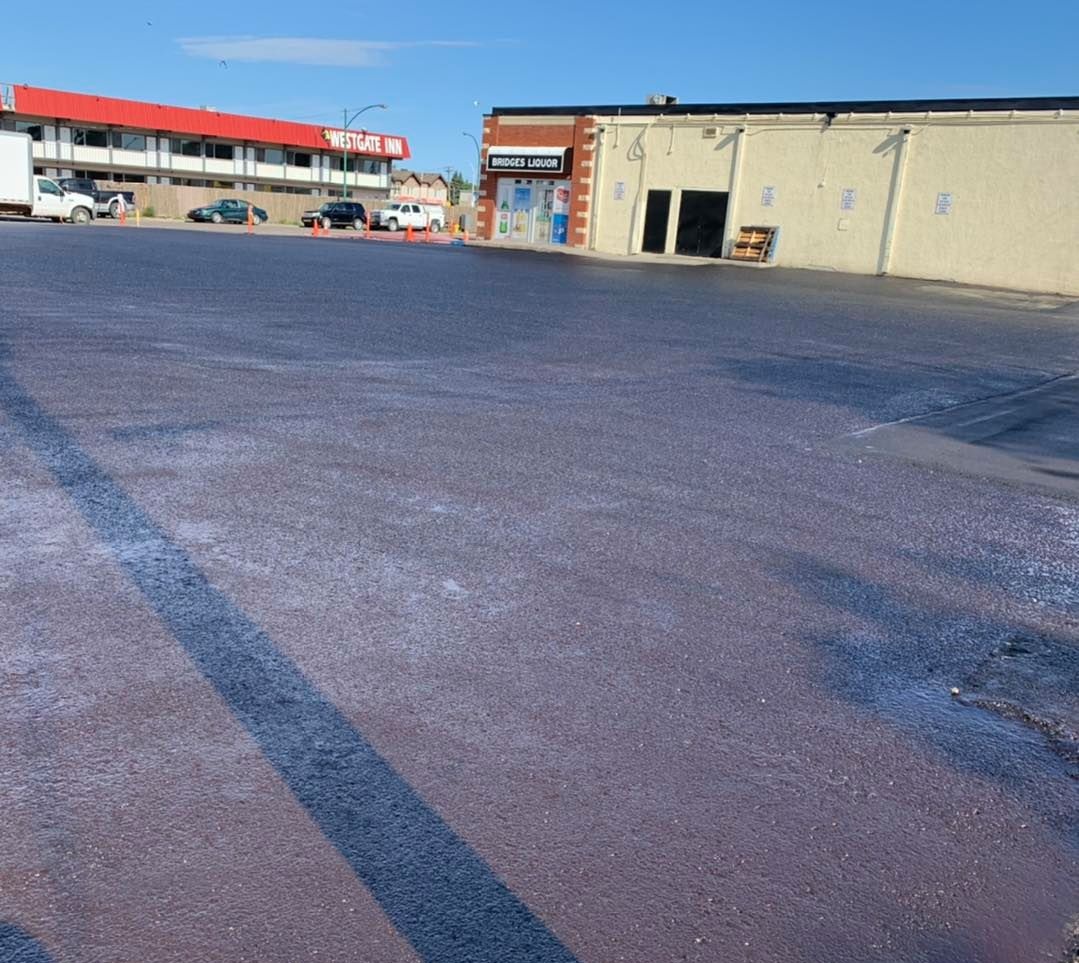
Industrial Asphalt Paving
Heavy-duty surfaces for oil-patch leases, grain handlers, container yards, and loading docks.
Read more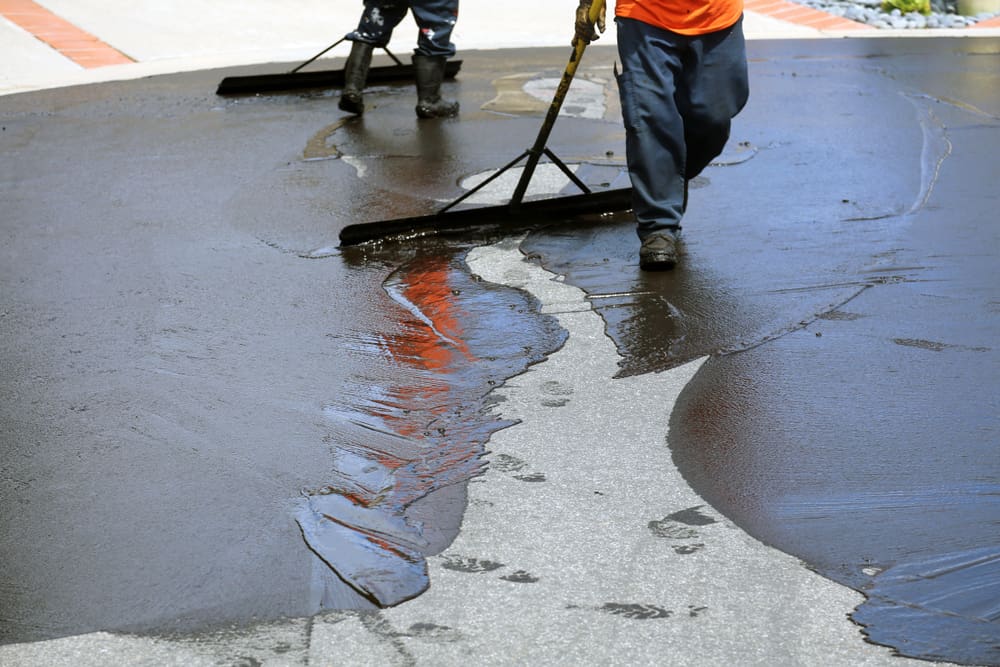
Sealcoating
A fresh sealcoat every 2-3 years protects your asphalt from UV, water, and oxidation.
Read more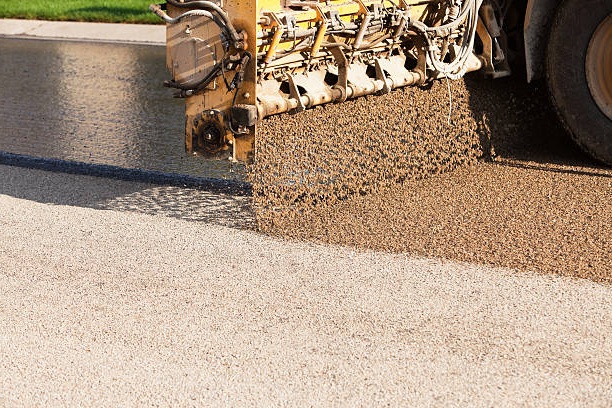
Chip Sealing
Stone-and-asphalt finish for long country drives and rural roads. Lower cost, better winter traction.
Read more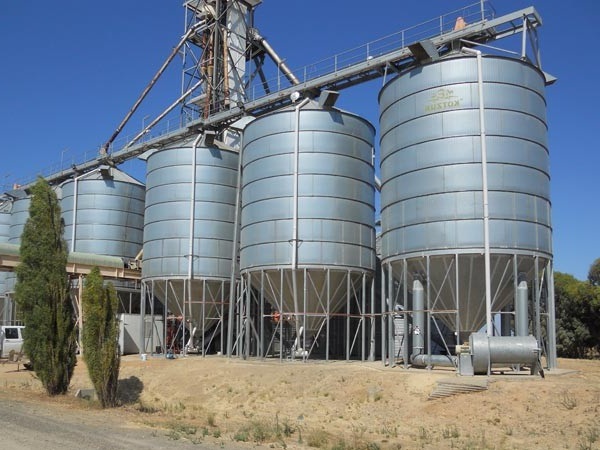
Bin Sealing & Waterproofing
Waterproof barrier around your grain bin foundations. Keeps grain dry, keeps rodents out.
Read more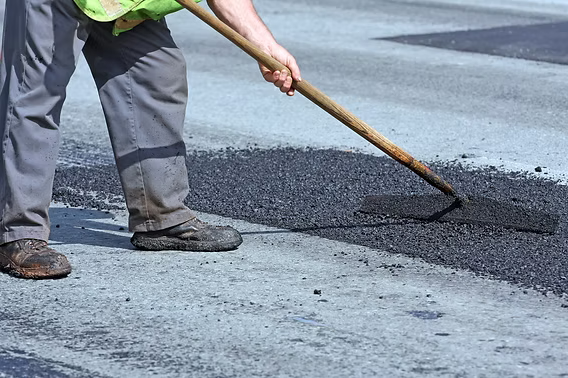
Pothole Repair
Hot asphalt patches that bond permanently. We do single potholes or batch repairs across a whole lot.
Read more